
Cognitive-Behavioral Couples Therapy (CBCT) by Couples Therapy Gilbert addresses relationship issues through identifying and modifying negative thought patterns and behaviors. It involves initial assessments, goal setting, and regular reassessments for tailored improvement. CBCT enhances communication, reduces conflict, and improves satisfaction, proven effective for depression, anxiety, infidelity, and chronic stress. Key strategies include challenging distorted thinking, promoting active listening, and engaging in behavior activation activities, naturally fostering secure and supportive relationship dynamics in Couples Therapy Gilbert.
In the intricate landscape of interpersonal relationships, navigating challenges through effective communication is paramount. Cognitive-behavioral couples therapy (CBT) emerges as a powerful tool, offering a structured approach to addressing relationship issues rooted in thought patterns and behaviors. This therapeutic method recognizes that negative interaction dynamics can compound emotional distress, impacting overall well-being. By focusing on identifying and modifying unhelpful thinking and behavior, CBT enables couples to foster healthier interactions, enhance communication, and strengthen their bond. In this article, we delve into the depths of CBT, exploring its mechanisms and efficacy in transforming troubled relationships, with a particular emphasis on the beneficial role it can play for couples seeking guidance in Gilbert.
- Understanding Cognitive-Behavioral Couples Therapy: A Foundation for Change
- The Role of Assessment and Goal Setting in Gilbert's Approach
- Strategies and Techniques: Enhancing Communication and Relationship Dynamics
Understanding Cognitive-Behavioral Couples Therapy: A Foundation for Change

Cognitive-Behavioral Couples Therapy (CBCT) serves as a powerful foundation for fostering positive change within relationships. This evidence-based approach focuses on identifying and modifying unhelpful thought patterns, behaviors, and emotional responses that may have contributed to relationship difficulties. By understanding the intricate interplay between cognition, behavior, and emotions, CBCT empowers couples in Gilbert to gain valuable insights into their dynamic. For instance, a couple experiencing recurring conflicts might uncover underlying cognitive biases that trigger negative interactions, such as assuming the worst intentions of their partner.
The core tenets of CBCT involve helping individuals recognize distorted thinking, challenge irrational beliefs, and adopt more adaptive coping strategies. This process encourages healthier communication patterns and strengthens the bond between partners. Research has shown significant effectiveness in treating various relationship issues, including depression, anxiety, and substance abuse, within a romantic partnership (Knafla et al., 2017). Through structured sessions, therapists facilitate a collaborative environment where each partner actively participates in identifying problem areas and co-creating solutions.
In applying CBCT, therapists guide couples to engage in specific exercises, such as cognitive restructuring techniques, behavioral experiments, and emotional regulation skills training. These tools equip individuals with the knowledge and practice needed to navigate relationship challenges more constructively. For example, a couple might learn to challenge their negative thoughts during an argument, replace them with more balanced perspectives, and subsequently de-escalate the situation. By fostering self-awareness and empathy, CBCT enables partners to cultivate deeper connections, improve conflict resolution skills, and enhance overall relationship satisfaction.
The Role of Assessment and Goal Setting in Gilbert's Approach
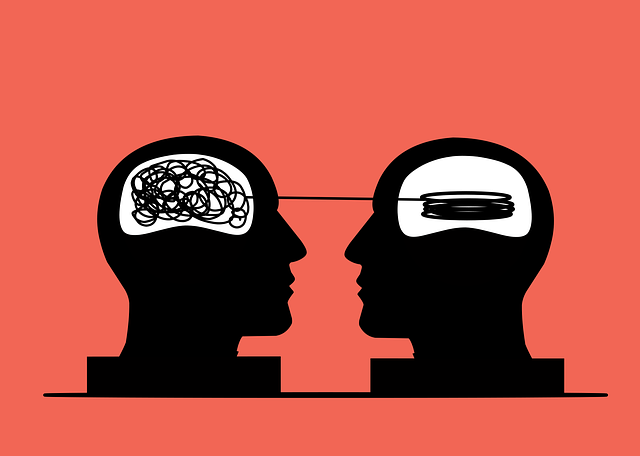
Cognitive-behavioral couples therapy (CBCT), a highly effective approach, significantly impacts relationship dynamics. Central to its success is the initial assessment phase, where therapists meticulously evaluate the couple's communication patterns, conflict resolution strategies, and underlying cognitive distortions. This process, pioneered by experts like Couples Therapy Gilbert, serves as a foundational map for tailoring treatment protocols. For instance, through in-depth interviews and behavioral observations, therapists identify recurring themes—such as mistrust or frequent miscommunication—that hinder connection and intimacy.
Assessment extends beyond individual symptoms to consider the interplay between partners, enabling a holistic understanding of the relationship's strengths and weaknesses. This enables therapists to collaboratively set realistic, achievable goals with the couple. Goal setting in CBCT is a collaborative effort, encouraging open dialogue and mutual commitment. For example, a couple might aim to improve conflict resolution skills or enhance emotional intimacy. These goals guide the therapy process, providing measurable milestones that signify progress.
Couples Therapy Gilbert emphasizes the importance of specific, measurable objectives that are relevant and meaningful to the individuals involved. This approach not only ensures focus during sessions but also fosters motivation and accountability between visits. For instance, a goal might be to "engage in weekly date nights focused on active listening and open communication." Such a concrete objective allows for tracking progress, celebrating achievements, and adjusting strategies as needed. Regularly reassessing goals and modifying the treatment plan based on these assessments ensures that therapy remains effective and responsive to the evolving needs of the couple.
Strategies and Techniques: Enhancing Communication and Relationship Dynamics

Cognitive-behavioral couples therapy (CBCT) offers a powerful set of tools for enhancing communication and relationship dynamics. At its core, CBCT focuses on identifying and modifying negative thought patterns and behaviors that can strain intimate partnerships. By fostering open dialogue and promoting healthier ways of interacting, Couples Therapy Gilbert naturally becomes an effective approach in addressing a range of relational challenges.
One key strategy within CBCT involves helping couples recognize and challenge distorted thinking. For instance, if one partner tends to interpret their significant other's silence as rejection, therapists can guide them to identify this cognitive distortion and replace it with a more balanced perspective. This process encourages active listening and reduces misunderstandings, leading to improved communication. Moreover, techniques like behavior activation prompt partners to engage in activities together that foster positive interactions and strengthen their bond. Research suggests that CBCT significantly improves relationship satisfaction and decreases conflict in couples facing various issues, from depression and anxiety to infidelity and chronic stress.
Practical advice for implementing these strategies includes scheduling regular 'check-ins' dedicated to open communication, where each partner has the space to express their feelings without judgment. Couples can also benefit from learning basic conflict resolution skills, such as practicing active empathy and using "I" statements to convey emotions effectively. By integrating these techniques into daily interactions, partners can create a more secure and supportive relationship dynamic, fostering growth and resilience together.
Cognitive-Behavioral Couples Therapy (Couples Therapy Gilbert) offers a powerful framework for facilitating positive change in relationships. By understanding the fundamental principles, practitioners can effectively assess and set goals, utilizing strategies that enhance communication and improve relationship dynamics. This approach equips individuals with valuable tools to navigate conflicts, challenge negative thought patterns, and foster healthier interactions. The key insights from this article highlight the significance of assessment, goal-setting, and evidence-based techniques in creating transformative experiences for couples seeking therapy. Embracing these concepts paves the way for more effective and lasting relationship improvements.