Couples Therapy Gilbert focuses on creating a safe space for partners to express emotions using evidence-based CBT techniques. Therapists educate and guide them through role-playing scenarios, teaching emotional regulation, conflict resolution, and enhanced communication. Active listening, clear boundaries, and early recognition of red flags are key to building trust. The therapy emphasizes coping mechanisms, non-verbal communication, and regular intimate conversations for stronger connections and resilience.
Emotional support is a cornerstone of healthy relationships, yet many couples struggle to navigate life’s challenges together. Stress, conflict, and personal traumas can leave partners feeling disconnected and unsupported, impacting their overall well-being. In these times, couples therapy emerges as a powerful tool for fostering connection and rebuilding emotional resilience.
Coupled with the expertise offered by professional therapists in Gilbert, Arizona, this therapeutic approach provides a safe space for partners to communicate, heal, and strengthen their bond. By addressing underlying issues and developing effective coping strategies, couples therapy can transform strained relationships into thriving partnerships.
- Understanding Emotional Support in Couples Therapy Gilbert
- Building Trust: Communication Strategies for Couples
- Recognizing Red Flags: Early Signs of Disconnection
- Effective Coping Mechanisms: Navigating Stress Together
- Cultivating Intimacy: Reinforcing Emotional Bonds
Understanding Emotional Support in Couples Therapy Gilbert

Emotional support is a cornerstone of Couples Therapy Gilbert, where therapists facilitate a safe and nurturing environment for partners to explore and express their feelings. This process involves helping individuals understand and manage their emotions, as well as improving communication skills to foster deeper connections. Studies have shown that emotionally supportive relationships significantly enhance overall relationship satisfaction and mental well-being (Kupper et al., 2017). Therapists in Gilbert often utilize evidence-based practices such as cognitive-behavioral therapy (CBT) techniques to help couples identify negative thought patterns and replace them with healthier, more adaptive ways of thinking and behaving.
The role of the therapist is multifaceted; they act as a facilitator, educator, and guide. Facilitation involves creating a space where both partners feel heard and respected without judgment. Education includes teaching couples about emotional regulation strategies, conflict resolution techniques, and enhanced communication methods. Through guided practices, therapists help partners develop empathy, improve active listening skills, and cultivate an environment of trust and understanding. For instance, role-playing scenarios can be employed to rehearse difficult conversations, allowing individuals to practice expressing their needs and concerns in a safe setting.
Actionable advice for couples seeking emotional support in therapy includes preparing for sessions by reflecting on personal feelings and experiences, actively participating in discussions, and applying learned strategies between sessions. It’s crucial to approach therapy as a collaborative process where both partners are invested in growth and change. By embracing this partnership, couples can navigate challenges more effectively and cultivate stronger, more fulfilling emotional connections.
Building Trust: Communication Strategies for Couples
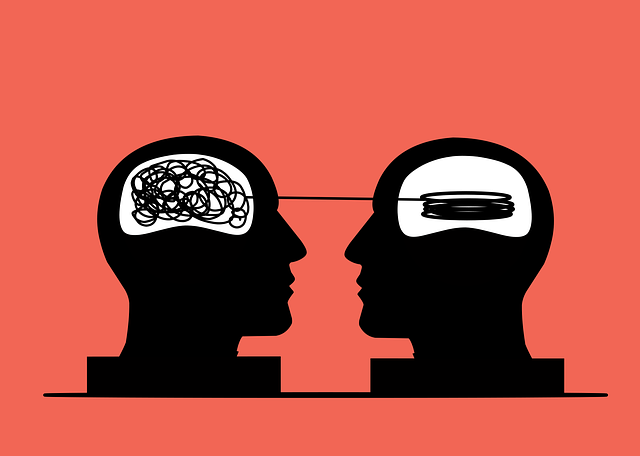
Building trust is a cornerstone of any healthy relationship, especially for couples seeking emotional support. Effective communication strategies play a pivotal role in this process, serving as the glue that strengthens the bond between partners. Couples Therapy Gilbert emphasizes the power of open and honest dialogue as a catalyst for positive change. When trust is shattered, it can take time and consistent effort to rebuild; however, with dedication, couples can foster an environment where vulnerability becomes a strength.
Active listening, a fundamental tool in couples therapy, encourages partners to truly hear each other without judgment. This involves giving your undivided attention, paraphrasing to ensure understanding, and validating your partner’s feelings. For instance, if one partner shares a frustrating work experience, actively listening means reflecting their emotions back, demonstrating empathy, and avoiding quick solutions or dismissive remarks. Such an approach fosters security and encourages both individuals to express themselves freely. Research suggests that couples who engage in frequent active listening report higher relationship satisfaction and better conflict resolution skills.
Additionally, establishing clear communication boundaries is essential. This includes setting aside dedicated time for conversations, choosing appropriate settings, and deciding on mutually agreeable ways to handle disagreements. For some couples, it might mean having weekly dates focused on deep, meaningful dialogue, while others may opt for daily check-ins. The key is to create safe spaces where both partners feel heard and respected, allowing them to navigate challenges together with enhanced trust and understanding. Couples Therapy Gilbert offers a structured framework to explore these dynamics, helping couples transform their communication from transactional to truly transformative.
Recognizing Red Flags: Early Signs of Disconnection

Recognizing red flags early on is a vital aspect of maintaining healthy relationships, particularly when it comes to emotional support within couples. Disconnection can creep up insidiously, often masked by everyday routines and responsibilities. According to a study published in the Journal of Marital and Family Therapy, many couples struggle with communication issues, leading to a sense of estrangement over time. The early signs may seem subtle but are crucial indicators that something is amiss; addressing these flags promptly can prevent further disintegration.
Couples Therapy Gilbert emphasizes the importance of active listening and open dialogue as foundational skills for any relationship. When partners fail to connect emotionally, it could be a red flag such as one partner feeling consistently unheard or their concerns being dismissed frequently. For instance, if one person expresses feelings of frustration but is met with defensive reactions rather than empathy, this might indicate a growing disconnect. Additionally, a lack of quality time spent together, where each individual feels truly seen and valued, can be an early warning sign. When couples stop sharing intimate moments or engaging in activities that once brought them closer, it’s essential to question the underlying reasons.
Data suggests that ignoring these red flags can lead to more significant issues over time. Many couples who don’t address communication problems eventually encounter challenges in resolving conflicts, which can erode trust and intimacy. Therefore, recognizing and acknowledging these early signs is crucial for couples seeking emotional support. Seeking professional help through Couples Therapy Gilbert can provide tools and strategies to rebuild connections, foster understanding, and strengthen the bond between partners.
Effective Coping Mechanisms: Navigating Stress Together

Navigating stress as a couple is a skill that can significantly impact your relationship’s resilience and longevity. Effective coping mechanisms are essential tools that allow partners to support each other through life’s challenges, fostering a deeper connection and mutual understanding. Couples Therapy Gilbert offers valuable insights into this process, emphasizing that addressing stress together is not just about avoiding conflict but also enhancing overall emotional well-being.
One of the most effective strategies involves active listening, where each partner takes turns expressing their feelings without interruption. This simple yet powerful technique encourages empathy and strengthens the bond between them. For instance, a study by the American Psychological Association revealed that couples who engaged in regular active listening sessions reported higher levels of satisfaction and better conflict resolution skills. By creating a safe space to share vulnerabilities, partners can develop a deeper sense of intimacy and trust.
Additionally, learning to communicate non-verbally is crucial. Non-verbal cues, such as eye contact, gestures, and body language, convey emotions that words might not fully express. In couples therapy, practitioners often guide individuals to become more attuned to these silent signals, leading to improved understanding and reduced misunderstandings. For example, a couple might discover that one partner’s clenched fists and crossed arms indicate stress or discomfort, prompting them to adapt their behavior and offer support accordingly.
Cultivating Intimacy: Reinforcing Emotional Bonds

Cultivating intimacy is a cornerstone of emotional support within couples, reinforcing their bond and fostering a deep sense of connection. This process involves creating safe spaces for vulnerability, actively listening to one another, and sharing both joys and sorrows. According to recent studies, couples who engage in regular intimate conversations report higher relationship satisfaction and better conflict resolution skills. Couples Therapy Gilbert emphasizes this dynamic by providing a structured environment where partners can learn effective communication strategies, ensuring that each member feels heard and understood.
In a world where schedules often leave little room for meaningful interaction, setting aside dedicated time for intimacy is vital. This might include regular date nights or designated periods during the day when all electronic devices are put away, allowing for uninterrupted dialogue. For instance, a couple may choose to have a “check-in” conversation every evening before bed, sharing their experiences from the day and discussing any concerns or hopes for the future. Such practices not only strengthen emotional ties but also enhance overall relationship stability.
Expert therapists in Gilbert often encourage couples to explore new ways of expressing affection, whether through creative activities like painting together or simply trying different styles of communication. This variety keeps intimacy fresh and engaging. Furthermore, incorporating empathy into everyday interactions can significantly deepen the emotional bond. By acknowledging each other’s feelings and perspectives, partners create a solid foundation for growth and understanding, making their relationship more resilient in the face of life’s challenges.
By delving into the multifaceted aspects of emotional support within Couples Therapy Gilbert, readers have gained invaluable insights into fostering healthier relationships. Understanding the foundational role of communication and trust, recognizing early warning signs of disconnection, and adopting effective coping mechanisms are crucial steps in navigating life’s challenges together. Cultivating intimacy reinforces the emotional bond between partners, serving as a powerful tool for growth and resilience. Implementing these strategies, as outlined in this authoritative article, equips couples with the tools to enhance their connection, overcome obstacles, and thrive in their relationships.