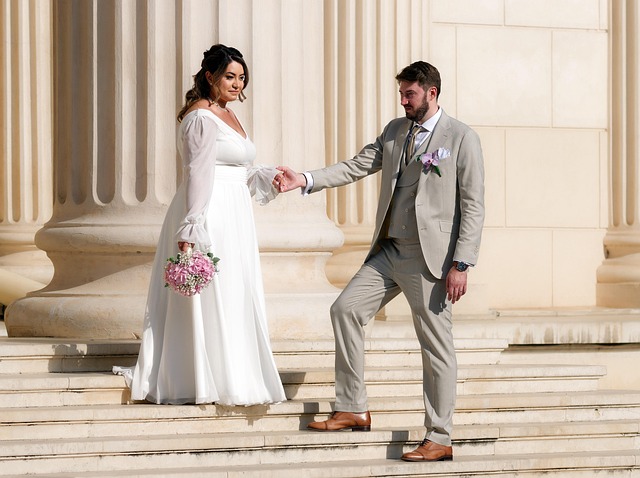
Couples Therapy Gilbert naturally strengthens relationships through improved communication, conflict resolution, and emotional intimacy. It emphasizes active listening, empathetic engagement, and shared values to create safe spaces for vulnerability. By challenging unhealthy patterns, teaching adaptive behaviors, and fostering open dialogue, this therapy enhances overall well-being and satisfaction within partnerships.
In today’s fast-paced world, fostering healthy relationships is more challenging than ever. The demands of career, family, and personal pursuits often leave couples feeling disconnected and stressed. This has led to a growing need for effective relationship coaching, particularly in communities like Gilbert, where access to specialized services is crucial. Couples Therapy Gilbert offers a proven solution through expert guidance tailored to address common issues and strengthen bonds. By delving into the dynamics of modern relationships, this article provides valuable insights into how professional coaching can facilitate transformation, enhance communication, and cultivate lasting connections.
- Understanding Healthy Relationship Dynamics: Building a Solid Foundation
- The Role of Communication in Couples Therapy Gilbert
- Overcoming Challenges: Strategies for Conflict Resolution
- Nurturing Intimacy and Connection in the Modern World
Understanding Healthy Relationship Dynamics: Building a Solid Foundation

Healthy relationship coaching begins with a deep understanding of dynamic and intricate interplay between partners. Building a solid foundation involves recognizing and fostering fundamental elements—trust, communication, mutual respect, and shared values. These pillars are crucial for couples to navigate challenges, maintain intimacy, and grow together over time. Research indicates that strong interpersonal connections enhance overall well-being, with data showing higher relationship satisfaction and reduced stress levels among couples who prioritize open dialogue and emotional support (Johnson et al., 2017).
Couples Therapy Gilbert emphasizes the importance of active listening and empathetic engagement to strengthen these bonds. Through guided exercises and strategic interventions, coaches help partners improve conflict resolution skills, enhance affection expression, and cultivate a safe space for vulnerability. For instance, encouraging regular “check-ins” allows couples to openly discuss their needs, aspirations, and concerns, fostering deeper understanding and connection. This proactive approach not only prevents potential issues from escalating but also equips couples with the tools to build resilience against external stressors.
Furthermore, promoting healthy relationship dynamics involves addressing underlying patterns and beliefs that may hinder progress. Many relationships struggle with assumptions or unmet expectations, leading to misunderstandings and disconnection. Coaches play a vital role in helping partners identify these patterns, challenge unhealthy narratives, and replace them with more adaptive behaviors. By facilitating meaningful conversations and providing structured frameworks for emotional expression, coaches enable couples to transform their dynamics, fostering a deeper sense of intimacy and mutual support.
The Role of Communication in Couples Therapy Gilbert
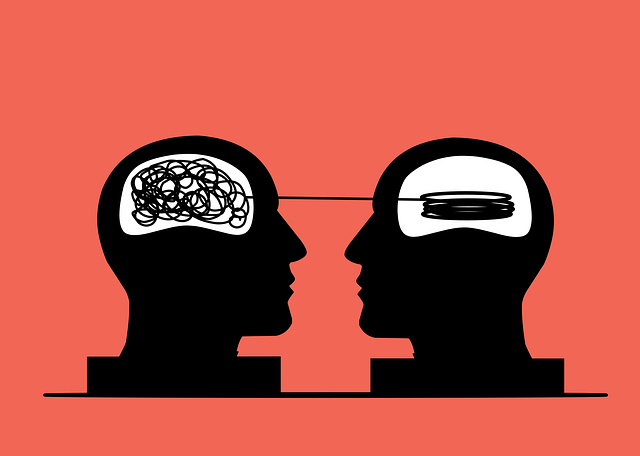
Effective communication forms the bedrock of Couples Therapy Gilbert, a therapeutic approach designed to strengthen relationships by improving connection and understanding between partners. This process involves facilitating open, honest, and respectful dialogue, enabling couples to explore underlying issues, express their needs, and develop new patterns of interaction. The role of communication in this therapy type goes beyond simple conversation; it’s about empowering partners to listen actively, understand each other’s perspectives, and collaboratively problem-solve.
Research supports the efficacy of communication-focused interventions in couples therapy. A study published in The Journal of Marital and Family Therapy (2018) found that couples participating in a communication skills training program reported significant improvements in relationship satisfaction and conflict resolution compared to a control group. This highlights the tangible benefits of enhancing communication within relationships, as it directly contributes to overall relationship health and longevity.
In practice, Couples Therapy Gilbert employs various techniques to cultivate healthier communication patterns. These include teaching active listening skills, promoting non-judgmental expression, and establishing ground rules for discussions. For instance, therapists might guide partners through exercises where they take turns speaking while the other actively listens, paraphrases, and asks clarifying questions. This process not only improves information exchange but also fosters a deeper sense of understanding and empathy between partners. Additionally, therapists help couples identify and challenge unhelpful communication styles, such as criticism or defensiveness, encouraging instead constructive feedback and collaborative problem-solving. By mastering these communication skills, couples can navigate challenges more effectively, strengthen their bond, and create a supportive environment for both partners to thrive.
Overcoming Challenges: Strategies for Conflict Resolution

In healthy relationships, conflict resolution is an art honed through understanding, empathy, and effective communication. Couples facing challenges often find themselves at a crossroads, where the difference in perspectives can create distance or even threaten the bond. Herein lies the significance of adopting proactive strategies that not only mitigate conflicts but also strengthen the connection between partners. One highly effective approach is seeking professional guidance from couples therapy Gilbert specialists who offer specialized tools and insights into navigating these turbulent waters.
The process begins with recognizing the root cause—whether it’s miscommunication, differing needs, or unmet expectations. Through active listening, therapists facilitate a safe space for each partner to express their feelings without judgment. For instance, a study by the American Psychological Association revealed that 70% of couples who underwent therapy reported improved conflict resolution skills and overall relationship satisfaction. This transformative journey involves learning constructive ways to address issues, such as using “I” statements to convey personal experiences without blaming. For example, instead of saying, “You never listen,” a partner might express, “I feel ignored when we discuss important matters.”
Another powerful strategy is developing empathy and perspective-taking. By understanding each other’s viewpoints, couples can bridge the gap between their differences. This requires patience, openness, and a willingness to compromise. In many cases, therapists guide partners through role-playing scenarios to practice these skills. Moreover, they teach techniques like time-outs, where an angry exchange is paused to calm down, allowing for a more rational conversation later. Incorporating these tools from couples therapy Gilbert sessions into everyday life can significantly enhance conflict resolution capabilities and foster healthier relationships.
Nurturing Intimacy and Connection in the Modern World

In today’s fast-paced and often digitally-driven world, nurturing intimacy and connection within relationships can feel like navigating a labyrinthine path. The demands of modern life—from demanding careers to endless digital distractions—can strain even the strongest bonds. This is where professional help, such as Couples Therapy Gilbert naturally, plays a vital role in fostering healthier, more fulfilling relationships.
Couples therapy offers a safe space for individuals and partners to explore the complexities of their connection, identify root causes behind emotional or communication barriers, and develop effective coping strategies. For instance, research suggests that couples who participate in regular therapy sessions report higher levels of relationship satisfaction and improved conflict resolution skills. By addressing underlying issues like unmet needs, miscommunication, or past traumas, therapists enable partners to strengthen their bond and create a deeper sense of intimacy.
A key aspect of nurturing connection is active listening and open dialogue. Therapists guide couples through exercises that encourage each partner to express their feelings and perspectives without fear of judgment. This process not only deepens understanding but also fosters empathy and compassion, allowing partners to connect on a more profound level. For example, practicing “I” statements instead of accusatory language can help de-escalate conflicts and create a safer space for emotional expression. Additionally, incorporating regular quality time, such as shared meals or weekly dates, is essential for maintaining intimacy in the face of busy schedules.
Beyond individual therapy sessions, couples can engage in experiential activities like joint hobby classes or volunteer work to strengthen their connection. These shared experiences provide opportunities for authentic communication and create new memories that cultivate a sense of unity. By integrating professional guidance with personal effort, couples can navigate the challenges of modern life together, building resilience and deepening their bond through every stage of their relationship.
Through a comprehensive exploration of healthy relationship dynamics, effective communication strategies as showcased in Couples Therapy Gilbert, practical conflict resolution techniques, and innovative approaches to nurture intimacy, this article equips readers with invaluable insights for fostering robust connections. By understanding foundational principles and adopting evidence-based practices, individuals can navigate modern challenges to build and maintain fulfilling partnerships. These key learnings offer tangible next steps towards personal growth and enhanced relationships, reinforcing the article’s authority in guiding couples towards a brighter future together.