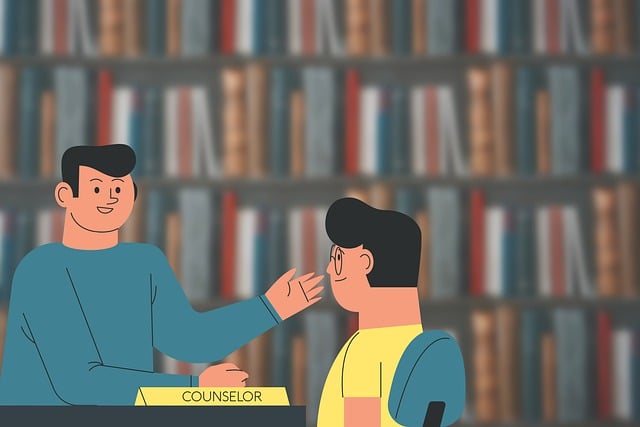
Couples Therapy Gilbert is a structured approach to healing from betrayal, focusing on pattern recognition, communication, and rebuilding trust. It combines individual counseling with group therapy, offering tools for self-discovery, resilience, and transformation. The process involves challenging negative thoughts, setting boundaries, practicing mindfulness, keeping a journal, and developing healthy coping mechanisms. Research supports its effectiveness in improving relationship satisfaction, reducing conflict, fostering empathy, and preventing future betrayals by strengthening communication skills and relationship foundation.
In today’s complex relationships, betrayal—be it emotional or physical—takes many forms, significantly impacting individuals and couples. Recovery from such traumatic experiences is a vital aspect of healing and rebuilding trust. Betrayal recovery therapy serves as a powerful tool to navigate these challenging situations, offering a safe space for expression and understanding. This article delves into the intricacies of this specialized form of counseling, focusing on effective strategies and their impact on individuals and couples seeking restoration in Gilbert, Arizona, and beyond. By exploring evidence-based techniques, we aim to provide valuable insights into the transformative potential of betrayal recovery therapy.
- Understanding Betrayal: Recognizing Patterns and Impacts
- The Healing Process: Strategies for Recovery and Growth
- Couples Therapy Gilbert: Navigating Betrayal in Relationships
- Building Resilience: Tools for Future Relationship Success
Understanding Betrayal: Recognizing Patterns and Impacts

Understanding Betrayal is a critical component of Betrayal Recovery Therapy, as it provides the foundation for healing and growth. Recognizing patterns in betrayal behaviors and their impacts on individuals and couples is essential for effective therapy. In many cases, betrayals—whether emotional, physical, or sexual—follow distinct recurring themes, such as manipulation, lies, or a violation of trust. For instance, a partner’s infidelity often involves a series of subtle signals and behaviors that, when recognized, can help individuals process the trauma more effectively.
Couples Therapy in Gilbert has shown remarkable success in helping partners identify these patterns and their underlying triggers. Therapists skilled in this area employ various techniques to explore the dynamic between the individuals involved. By doing so, they facilitate a deeper understanding of how betrayal has shaped each person’s perspective and behavior. For example, a therapist might guide one partner to recall past instances of perceived betrayal while encouraging the other to reflect on their role in perpetuating or responding to these incidents. This process allows for the emergence of hidden patterns that have contributed to the cycle of betrayal.
Data from recent studies indicates that early intervention and accurate pattern recognition significantly enhance recovery outcomes. According to research, individuals who engage in therapy within six months of a traumatic event related to betrayal show more substantial improvements in their mental health and relationship satisfaction compared to those who delay treatment. Actionable advice for those seeking Betrayal Recovery Therapy includes being open and honest during sessions, actively participating in self-reflection exercises between appointments, and fostering a supportive environment where all emotions—even the most painful ones—can be safely expressed.
The Healing Process: Strategies for Recovery and Growth

The journey towards healing from betrayal is a complex process, often requiring professional guidance to navigate the emotional terrain. Betrayal recovery therapy focuses on empowering individuals and couples to overcome the profound impact of hurt caused by trust violation. This therapeutic approach offers valuable strategies for recovery, fostering personal growth and resilience.
One effective method within this framework is individual counseling, where clients explore their unique experiences and emotions in a safe space. Through techniques such as cognitive-behavioral therapy (CBT), individuals can challenge negative thought patterns emerging from the betrayal. For instance, a client might learn to reframe all-or-nothing thinking, acknowledging that the behavior of others does not define them personally. Couples Therapy Gilbert is particularly beneficial here, helping partners communicate their feelings and understand each other’s perspectives, fostering empathy and reconciliation. This process allows individuals to reclaim their sense of self and rebuild trust, which is essential for long-term healing.
Group therapy sessions also play a pivotal role in the healing journey. Sharing experiences with peers who have faced similar betrayals provides a powerful support system and reinforces the understanding that recovery is not a solitary path. Group dynamics encourage accountability and offer valuable insights as individuals witness different coping strategies employed by their peers. Additionally, group members can provide mutual validation, reducing feelings of isolation. Research suggests that group therapy significantly enhances recovery outcomes, especially when combined with individual counseling.
Practical steps towards healing include setting boundaries to protect oneself from further harm and engaging in self-care practices like mindfulness meditation or exercise. Keeping a journal to track progress, identifying triggers, and developing healthy coping mechanisms are also effective tools. Ultimately, the healing process is a journey of self-discovery, resilience, and transformation, allowing individuals and couples to emerge stronger and better equipped to navigate future challenges.
Couples Therapy Gilbert: Navigating Betrayal in Relationships

Navigating Betrayal in Relationships through Couples Therapy Gilbert
Betrayal, whether emotional or physical, can profoundly disrupt a relationship, leaving partners struggling to rebuild trust and connection. In such scenarios, couples therapy emerges as a beacon of hope, offering a structured framework for healing and reconciliation. Specifically, Couples Therapy Gilbert, with its emphasis on open communication and collaborative problem-solving, has proven highly effective in helping couples navigate the complex landscape of betrayal. This therapeutic approach not only facilitates an honest exploration of feelings but also equips partners with tools to strengthen their bond moving forward.
The process begins by creating a safe, non-judgmental space where each partner can express their experiences and perspectives freely. Therapeutically guided discussions help unravel the layers of pain, anger, and confusion that often follow betrayal. For instance, a study published in the Journal of Marital and Family Therapy (2018) highlighted the positive impact of couples therapy on improving communication and reducing conflict in relationships facing infidelity. By delving into these emotions, partners can begin to understand one another’s viewpoints, fostering empathy and forgiveness—essential components for rebuilding trust.
Moreover, Couples Therapy Gilbert assists partners in identifying underlying issues that may have contributed to the betrayal. This could involve exploring individual needs, communication patterns, or unmet emotional requirements. Through this introspective process, couples gain valuable insights into their relationship dynamics, enabling them to make informed decisions about their future together. For example, a couple struggling with financial stress might discover that underlying conflicts around money management played a role in the betrayal. Addressing these issues proactively can strengthen the foundation of their relationship and prevent future betrayals.
Building Resilience: Tools for Future Relationship Success

Betrayal recovery therapy is a specialized field focused on healing individuals and couples from the profound impact of infidelity and broken trust. Building resilience is a cornerstone of this process, as it equips people with the tools necessary to navigate future relationships successfully. Couples Therapy Gilbert emphasizes this aspect by offering strategies that foster emotional agility, communication skills, and a deeper understanding of one another.
One effective tool in building resilience is cognitive restructuring. This involves identifying and challenging negative thought patterns that emerged from the betrayal experience. By reframing these thoughts, individuals can shift their perspective and develop healthier ways of perceiving themselves and their partners. For instance, a couple may have initially believed that their partner was inherently untrustworthy due to infidelity; through cognitive restructuring, they learn to recognize that behaviors, not inherent character, led to the breach of trust. This allows them to form more realistic expectations for future relationships. Research suggests that individuals who participate in such therapy show significant improvements in their relationship satisfaction and emotional well-being.
Additionally, Couples Therapy Gilbert incorporates techniques to enhance communication and conflict resolution skills. Effective communication breaks down barriers and fosters understanding, two crucial elements for rebuilding trust. By learning active listening, assertiveness, and empathy, couples can express their needs and concerns more effectively, reducing the risk of future misunderstandings or conflicts escalating into betrayals. These tools are invaluable in cultivating a resilient foundation for relationships, ensuring that challenges can be navigated collaboratively rather than becoming sources of further harm.
Betrayal recovery therapy offers a transformative path to healing and resilience, as explored in this comprehensive article. By understanding the patterns and impacts of betrayal, individuals can begin to process their emotions and take proactive steps towards recovery. The healing process involves strategic interventions, such as addressing underlying issues, cultivating self-compassion, and developing healthy coping mechanisms. In the context of Couples Therapy Gilbert, navigating betrayal within relationships becomes a collaborative effort, empowering partners to rebuild trust and strengthen their bond. Building resilience is key to future relationship success, equipping individuals with tools to recognize red flags, set boundaries, and foster open communication. This authoritative guide provides valuable insights, offering practical next steps for those seeking to recover from betrayal, ultimately enabling them to embrace healthier, more fulfilling relationships.