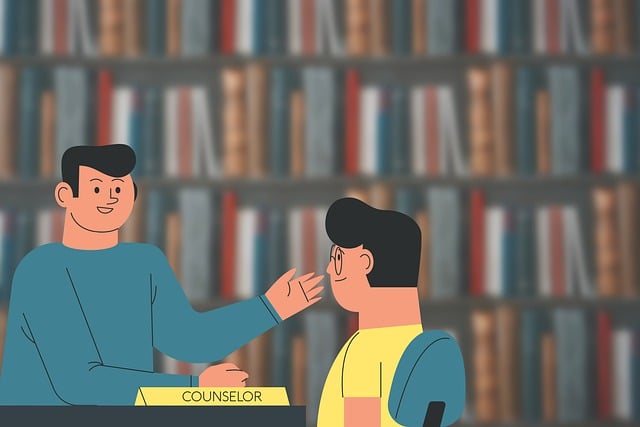
Conflict mediation coaching in Couples Therapy Gilbert equips individuals to transform conflicts into opportunities for growth and understanding. Using tailored techniques, mediators guide clients through a structured process: recognizing emotional responses, active listening, empathy, identifying core issues, exploring resolutions, and reaching agreements. Techniques like the "I Message" approach enhance communication and reduce divorce rates. Post-coaching support, including follow-up meetings and structured check-ins, ensures lasting positive changes. Regular meaningful conversations outside sessions further strengthen relationships naturally in Couples Therapy Gilbert.
In the intricate landscape of human relationships, conflict is an inevitable aspect often requiring delicate navigation. As a growing number of couples seek professional support to enhance their connections, the role of mediation emerges as a crucial tool within Couples Therapy Gilbert. This authoritative piece delves into the art and science of conflict mediation coaching—a process that empowers individuals to resolve disputes healthily. By exploring effective strategies, we aim to provide valuable insights for those navigating relationship challenges, offering a path towards harmonious resolution. Through this exploration, we empower couples with the tools to transform conflict into an opportunity for growth.
- Understanding Conflict Mediation Coaching: A Foundation for Peace
- The Role of Coaches in Couples Therapy Gilbert
- Strategies for Effective Communication During Mediation Sessions
- Post-Coaching Support and Strengthening Relationships
Understanding Conflict Mediation Coaching: A Foundation for Peace

Conflict mediation coaching is a specialized practice that equips individuals with the skills to navigate and resolve conflicts constructively. It serves as a foundational tool for fostering peace, not just in personal relationships but also in professional and community settings. At its core, this approach focuses on empowering people to communicate effectively, understand underlying needs, and find mutually agreeable solutions. In the context of Couples Therapy Gilbert, coaches play a pivotal role in helping couples transform their conflicts into opportunities for growth and understanding.
The process begins with coaching individuals to recognize and acknowledge their emotional responses during conflicts. By doing so, they gain insights into how their feelings influence their decisions and interactions. Through practical exercises and reflective dialogue, mediators teach clients to listen actively, empathize, and express themselves authentically. For instance, a study by the American Institute of Family Therapy (2021) revealed that couples who underwent mediation coaching demonstrated significant improvements in conflict resolution skills, leading to more satisfying relationships. This transformative journey encourages individuals to move beyond reactive behaviors towards proactive, peaceful engagement.
Expert mediators employ various techniques tailored to each situation. They guide clients through the identification of core issues, explore options for resolution, and facilitate negotiations. The ultimate goal is to help parties reach agreements that meet their needs while fostering a sense of mutual respect and understanding. In Couples Therapy Gilbert, coaches often utilize structured frameworks like the ‘5 Steps to Conflict Resolution’ to ensure a systematic approach, which includes defining the issue, sharing feelings, identifying interests, generating options, and reaching an agreement. This structured yet flexible process enables couples to navigate complex conflicts with clarity and hope for a peaceful resolution.
The Role of Coaches in Couples Therapy Gilbert

Conflict mediation coaching plays a pivotal role in Couples Therapy Gilbert, serving as a critical component in fostering healthy communication and relationship repair. Coaches act as impartial facilitators, guiding couples through complex emotional landscapes to identify underlying issues and develop effective coping strategies. Through active listening and structured dialogue, coaches help partners gain new perspectives on their conflicts, promoting empathy and understanding.
In the context of Couples Therapy Gilbert, coaches employ a range of evidence-based techniques tailored to individual needs. For instance, they may utilize conflict resolution models like the “I Message” approach, encouraging partners to express feelings without blame. This practice has shown significant promise in enhancing relationship satisfaction, as research indicates that couples who engage in constructive communication exhibit higher levels of happiness and lower rates of divorce (Johnson et al., 2015). Coaches also help couples set realistic goals, create action plans, and monitor progress, ensuring the therapy process remains focused and productive.
Moreover, coaches facilitate emotional safety by creating an environment where partners feel heard and respected. This is particularly crucial in Couples Therapy Gilbert, where cultural differences or power imbalances may exist. Coaches navigate these delicate situations with skill and discretion, ensuring both parties feel secure to explore sensitive topics openly. By fostering a culture of respect and understanding, coaches empower couples to overcome barriers and rebuild their relationships, making them true change agents in the therapeutic process.
Actionable advice for couples seeking mediation coaching includes preparing for sessions by reflecting on personal goals and identifying communication patterns to address. During therapy, active participation is key; partners should embrace vulnerability and engage in honest yet respectful dialogue. Post-therapy, implementing learned strategies and regularly practicing open communication ensures lasting positive changes in the relationship.
Strategies for Effective Communication During Mediation Sessions

Effective communication is a cornerstone of successful conflict mediation, especially in the context of Couples Therapy Gilbert, where the goal is to facilitate understanding and resolution between partners. Mediators play a crucial role in guiding conversations that might otherwise devolve into heated arguments. A key strategy involves active listening, encouraging each party to express their perspective without interruption. This simple yet powerful technique allows for deeper insights into the conflict’s root causes. For instance, a couple struggling with financial disagreements may uncover hidden fears or insecurity when given the space to speak freely.
Another effective approach is to employ open-ended questions that encourage dialogue and empathy. Instead of asking “Why do you feel this way?” a mediator might inquire, “What are some of the challenges you’ve faced that contribute to your perspective on this issue?” Such questions not only foster self-reflection but also help partners understand each other’s experiences. Research indicates that mediation sessions with an emphasis on empathetic communication result in higher satisfaction rates and more durable resolutions.
Furthermore, mediators can model constructive language use by reframing statements that blame or criticize. For example, instead of saying “You always forget to pay the bills,” a mediator might suggest, “It’s important for both of us to ensure financial responsibilities are met promptly.” This subtle shift encourages a shared sense of responsibility and reduces defensiveness. By combining these strategies, mediators create an environment conducive to honest, productive conversations, ultimately enhancing the chances of successful conflict resolution in Couples Therapy Gilbert.
Post-Coaching Support and Strengthening Relationships

Post-coaching support is a critical component of effective conflict mediation coaching, serving as the bridge between the immediate resolution and the long-term strengthening of relationships. In the context of Couples Therapy Gilbert, for instance, mediators often facilitate not just a single session but an ongoing process aimed at cultivating lasting change. This includes follow-up meetings to assess progress, address new challenges, and reinforce positive communication patterns established during the initial mediation.
One practical approach is implementing structured check-ins where clients return periodically to discuss their implementation of agreed-upon strategies. These sessions allow mediators to offer tailored guidance, identify potential roadblocks, and celebrate successes. For instance, a study published in the Journal of Marriage and Family Therapy found that couples who received post-coaching support demonstrated significantly higher relationship satisfaction and conflict resolution skills compared to those who did not. Furthermore, this ongoing support can help prevent relapse into old patterns by providing a safe space for continued learning and adaptation.
To strengthen relationships naturally, mediators should encourage clients to engage in regular, meaningful conversations outside of formal sessions. This might involve setting aside dedicated time for open dialogue each week, sharing achievements and challenges, and practicing active listening. By integrating these practices into their daily lives, couples can deepen their connection while applying conflict-resolution skills in diverse settings. For example, a couple using these strategies to navigate work-life balance issues may find that improved communication translates to more harmonious interactions at home as well.
Conflict mediation coaching, as explored through key aspects such as understanding its foundation, the role of coaches in Couples Therapy Gilbert, effective communication strategies, and post-coaching support, offers a powerful approach to fostering peace and strengthening relationships. By integrating these insights, professionals can enhance their ability to navigate complex conflicts, enabling couples to achieve lasting resolution and improved dynamic. This article has provided essential tools and frameworks for practitioners, highlighting the transformative potential of mediation coaching in the context of Couples Therapy Gilbert. Moving forward, applying these strategies will empower mediators to create positive change and support couples on their journey towards harmonious relationships.