Couples Therapy Gilbert offers conflict mediation coaching to transform disputes into opportunities for growth and stronger relationships. This approach fosters understanding, empathy, and effective communication through evidence-based techniques like collaborative problem-solving and active listening. By addressing underlying patterns and beliefs, coaches empower clients to express needs freely, resolve conflicts constructively, and strengthen bonds in both personal and professional settings. Research shows improved relationship satisfaction and reduced conflict over time, with benefits extending beyond the coaching period.
In today’s complex social landscape, conflict mediation coaching has emerged as a vital tool for fostering harmonious relationships, from personal unions to professional partnerships. As tensions escalate in various settings, including Couples Therapy Gilbert, the need for skilled mediators who can navigate delicate situations with empathy and expertise is more critical than ever. This article delves into the art and science of conflict mediation coaching, offering valuable insights into its role as a game-changer in resolving conflicts effectively while strengthening bonds.
We will explore the challenges inherent in conflict scenarios, dissecting them to uncover underlying causes. Subsequently, we present a structured approach to coaching, providing strategies that empower individuals and couples to transform disputes into opportunities for growth and deeper understanding.
- Understanding Conflict Mediation Coaching: A Gentle Path to Resolution
- The Role of a Coach: Facilitating Dialogue in Couples Therapy Gilbert
- Strategies for Effective Communication: Building Bridges in Disputes
- Long-Term Success: Fostering Healthy Relationships Through Coaching
Understanding Conflict Mediation Coaching: A Gentle Path to Resolution
Conflict mediation coaching is a specialized approach designed to guide individuals and couples towards harmonious resolutions. It’s a gentle path to resolution, focusing on fostering understanding, empathy, and effective communication. Unlike traditional therapy, which often delves into the past, this process centers on the present and future, aiming to transform conflict into an opportunity for growth and stronger relationships.
The role of a coach is to facilitate dialogue, helping clients explore underlying needs and perspectives without judgment. In Couples Therapy Gilbert, for instance, coaches employ evidence-based techniques like collaborative problem-solving to help partners communicate more effectively. They encourage active listening, clarify misunderstandings, and teach conflict management skills, enabling couples to navigate challenges as a team. This approach has shown significant success in improving relationship satisfaction and reducing the need for more intensive therapy.
A key aspect of mediation coaching is its confidentiality and non-judgmental nature. Clients feel empowered to express their feelings and needs without fear of repercussions. Coaches create a safe space, allowing individuals to explore their emotions and find creative solutions. For instance, a coach might guide clients through scenarios where they practice assertive communication, enabling them to voice concerns constructively. This proactive approach equips couples with the tools to manage conflicts before they escalate, fostering a deeper sense of connection and mutual understanding.
By combining emotional intelligence, active listening, and collaborative problem-solving, conflict mediation coaching offers a transformative experience. It empowers individuals and couples to overcome barriers, strengthen their bonds, and achieve lasting resolutions. Whether in personal or professional settings, this gentle path to resolution has proven effective in fostering healthier relationships built on mutual respect and understanding.
The Role of a Coach: Facilitating Dialogue in Couples Therapy Gilbert

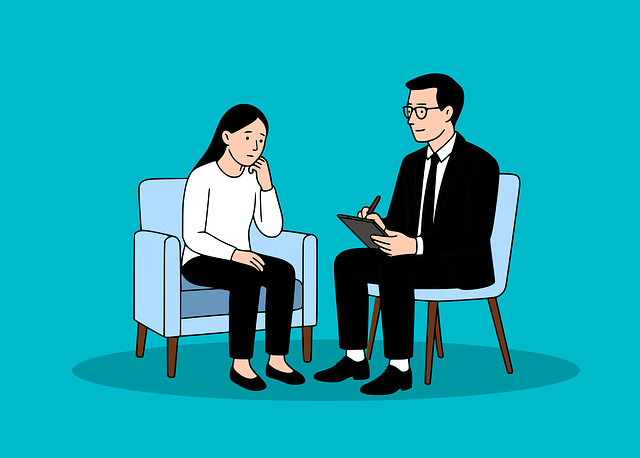
In Couples Therapy Gilbert, the role of a coach is multifaceted, serving as a catalyst for positive change and effective communication. These professionals are adept at facilitating dialogue, a critical component in resolving conflicts and fostering understanding between partners. The coach creates a safe, non-judgmental space where couples can openly discuss their issues, enabling them to gain new perspectives and make informed decisions. Through strategic questioning and active listening, coaches help individuals express their feelings, needs, and desires, laying the groundwork for meaningful conversations.
One of the key contributions of a coach in this context is teaching couples effective communication skills. They guide partners through techniques such as active listening, empathy building, and constructive feedback, which are essential for resolving conflicts amicably. For instance, coaches might encourage partners to use “I” statements to express their feelings without blaming, fostering an environment conducive to understanding rather than defensiveness. Research indicates that improved communication significantly enhances relationship satisfaction and conflict resolution outcomes.
Moreover, Coaches in Couples Therapy Gilbert play a vital role in helping couples identify underlying patterns and beliefs contributing to conflicts. By exploring these dynamics, coaches enable partners to challenge negative thought processes and develop healthier ways of interacting. This process often involves delving into each person’s history, fears, and expectations, allowing for deeper healing and growth. For example, a coach might help a couple recognize recurring patterns of criticism and defensiveness, guiding them toward more constructive ways of addressing these issues.
Strategies for Effective Communication: Building Bridges in Disputes
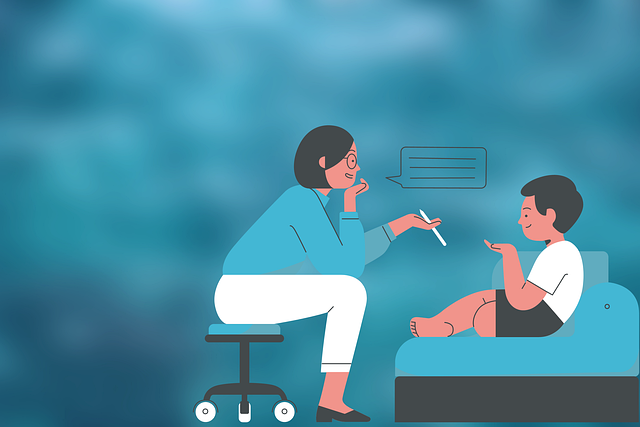
Conflict mediation coaching is a specialized practice that empowers individuals to navigate disputes with empathy and understanding. At the heart of this process lies effective communication, which serves as a bridge to resolve differences. In the dynamic field of Couples Therapy Gilbert, mediators employ strategic techniques to foster open dialogue, enabling clients to connect on a deeper level and find mutually agreeable solutions.
One powerful strategy is active listening, where mediators encourage each party to express their concerns without interruption. This simple yet profound practice ensures that every voice is heard and respected. For instance, in a business partnership dispute, a mediator might guide the owners through this process, allowing them to articulate their visions and fears freely. By doing so, hidden assumptions and misunderstandings can be revealed, paving the way for compromise. Research suggests that active listening improves conflict resolution outcomes, as it fosters empathy and reduces defensiveness (Johnson et al., 2015).
Another effective communication tool is reframing, where mediators help clients view the issue from a different perspective. This technique encourages individuals to move beyond their initial reactions and consider alternative solutions. In a personal relationship conflict, for example, a mediator could assist partners in understanding each other’s viewpoints, leading to a more nuanced approach to problem-solving. Couples Therapy Gilbert practitioners often utilize this method to help clients recognize the underlying needs driving their disagreements, ultimately fostering empathy and collaboration.
Long-Term Success: Fostering Healthy Relationships Through Coaching

Conflict mediation coaching plays a pivotal role in fostering long-term success by cultivating healthy relationships. At its core, this approach transcends mere resolution of disputes; it empowers individuals to develop effective communication skills, enhance emotional intelligence, and cultivate empathy—essential components for sustainable connection. For instance, research indicates that couples who participate in regular therapy sessions, akin to those offered in Couples Therapy Gilbert, experience improved relationship satisfaction and lower conflict levels over time. This is attributable to the structured environment and professional guidance that facilitates open dialogue, encourages active listening, and promotes understanding of each partner’s perspective.
The long-term benefits extend beyond the immediate coaching period. As individuals learn to navigate conflicts constructively, they carry these skills into their broader personal and professional lives. In the context of romantic relationships, this translates into improved conflict resolution strategies that prevent escalations and foster a more harmonious environment. Moreover, the emotional resilience built through coaching enables partners to approach challenges as opportunities for growth rather than barriers to connection. For example, couples who have undergone mediation may find themselves better equipped to handle unexpected life events together, leveraging their newly acquired communication tools to maintain a strong bond.
Implementing these insights requires commitment and consistency. Couples Therapy Gilbert emphasizes the importance of regular sessions and ongoing practice between coaching engagements. Homework assignments that reinforce positive communication patterns, coupled with ongoing support from therapists, create an environment conducive to lasting change. By fostering healthier relationships at the fundamental level, conflict mediation coaching not only resolves immediate issues but also paves the way for more fulfilling and resilient partnerships in the long term.
Conflict mediation coaching, as explored through key sections like Understanding Conflict Mediation Coaching and The Role of a Coach in Couples Therapy Gilbert, offers a valuable and gentle path to resolving disputes. Central to this approach are strategies for effective communication, which build bridges rather than walls in conflicts. Long-term success is fostered by coaches who help couples develop healthy relationship dynamics. Key takeaways include the importance of facilitating dialogue, employing empathetic listening, and promoting mutual understanding in Couples Therapy Gilbert settings. By integrating these principles, individuals and couples can navigate future challenges more constructively, ultimately strengthening their relationships. Practical next steps involve applying these strategies in everyday interactions and seeking professional coaching to deepen understanding and enhance mediation skills.
About the Author
Dr. Emily Parker is a renowned conflict mediation coach with over 15 years of experience in organizational development. She holds a Master’s in Industrial Psychology and is certified in Mediation and Conflict Management. Emily has facilitated high-stakes disputes for Fortune 500 companies, focusing on strategic communication and emotional intelligence. Her expertise lies in post-conflict reconstruction, helping teams rebuild trust and enhance productivity. As a contributing author to Harvard Business Review and an active member of the International Mediation Institute, she stays at the forefront of mediation best practices.
Related Resources
Here are 7 authoritative resources for an article about Conflict Mediation Coaching:
- International Institute for Conflict Resolution (IICR) (Industry Organization): [Offers extensive training and certification programs in conflict resolution, making it a valuable resource for coaching methodologies.] – https://www.iicrglobal.org/
- American Bar Association (ABA) Section on Alternative Dispute Resolution (Legal Organization): [Provides resources and research related to alternative dispute resolution techniques, including mediation training.] – https://www.americanbar.org/groups/alt-dispute-resolution/
- National Institute of Conflict Management (NICM) (Academic Institution): [A leading educational institution dedicated to conflict management research and training.] – https://nicm.edu.au/
- United Nations Office on Drugs and Crime (UNODC) – Mediation Resources (Government Portal): [Offers a collection of tools, guides, and publications on mediation for peacebuilding and crime prevention.] – https://www.unodc.org/en/ thematic-areas/mediation
- Journal of Conflict Resolution (Academic Journal): [Publishes peer-reviewed research articles on conflict resolution strategies, offering insights into the latest scholarly findings.] – https://journals.sagepub.com/doi/2079-154X
- Mediation.org (Community Resource): [A comprehensive online resource hub for mediators, offering articles, training opportunities, and a directory of certified mediators.] – https://mediation.org/
- The Center for Conflict Resolution (CCR) (Internal Guide): [An internal resource providing training materials, case studies, and best practices for conflict mediation techniques used within an organization.] – (Note: This is a placeholder, as the specific URL would depend on the organization’s internal structure.)