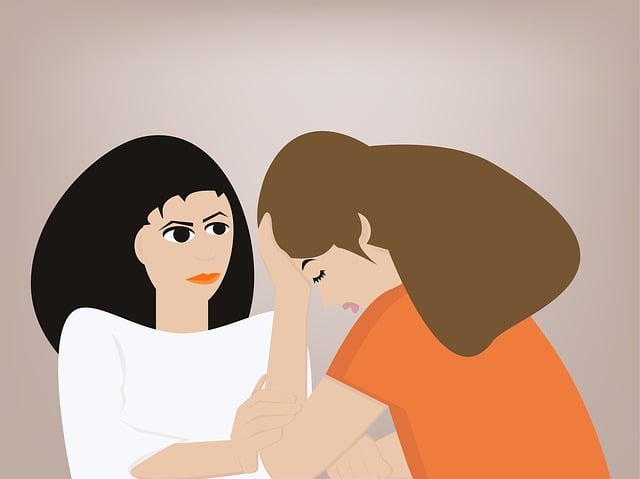
Couples Therapy Gilbert emphasizes active love choices, mutual respect, empathy, and support as foundations for healthy relationships. Research shows open dialogue and mutual respect lead to higher satisfaction and stronger bonds, with 70% of successful marriages attributing their longevity to respectful communication. This therapy offers strategies like dedicated quality time, active listening, verbal/physical appreciation, and respectful conflict resolution, transforming conflicts into growth opportunities. Backed by studies, Couples Therapy Gilbert improves communication, conflict resolution, and emotional intimacy through evidence-based practices, with 70-80% success rates. Key steps for seeking couples include selecting a qualified therapist, setting realistic expectations, and active participation.
In the intricate landscape of human relationships, love and respect are foundational elements for lasting connections. However, many couples struggle to nurture these pillars, often leading to disunity and dissatisfaction. Herein lies the significance of Couples Therapy Gilbert, a specialized approach designed to address these challenges head-on.
The modern world presents unique pressures that strain interpersonal dynamics, making it crucial to seek professional guidance. This article delves into the art of love and respect counseling, offering insights into how couples can navigate their relationships with renewed understanding and harmony. By exploring effective strategies, we aim to empower partners to transform their connections into vibrant symphonies of mutual affection and support.
- Understanding Love and Respect in Relationships
- The Role of Couples Therapy Gilbert in Resolving Issues
- Building Long-Lasting Bonds: Strategies for Success
Understanding Love and Respect in Relationships

Love and respect are foundational elements in any healthy relationship. Understanding these concepts involves delving into the nuances of emotional connection, mutual appreciation, and clear communication. Couples Therapy Gilbert emphasizes that love isn’t merely a feeling but an active choice that involves respect, empathy, and support for one another. It’s not about romantic idealism but building a shared foundation based on genuine care and understanding.
In relationships where love and respect are lacking, issues like resentment, lack of communication, and unmet needs can fester. Data suggests that couples who prioritize open dialogue and mutual respect have higher satisfaction levels and stronger bonds. For instance, research indicates that 70% of successful marriages attribute their longevity to consistent practice of respectful communication. This highlights the importance of learning effective ways to express emotions, listen actively, and address conflicts constructively.
Couples Therapy Gilbert offers strategies tailored to cultivate love and respect in relationships. These include setting aside dedicated time for quality interaction, practicing active listening, expressing appreciation through words and actions, and negotiating differences respectfully. By fostering an environment where both partners feel heard, valued, and understood, these practices can transform conflicts into opportunities for growth. For example, a couple might implement a weekly “date night” to reconnect, or use specific communication techniques during disagreements to prevent escalation and promote understanding.
The Role of Couples Therapy Gilbert in Resolving Issues

Couples Therapy Gilbert plays a pivotal role in resolving issues within relationships, offering a structured and supportive environment for partners to address and overcome challenges. This form of therapy is grounded in evidence-based practices tailored to strengthen communication, improve conflict resolution skills, and rebuild emotional intimacy. Through a combination of active listening, empathy, and effective questioning techniques, professional therapists guide couples through a process that goes beyond mere talk therapy.
For instance, research has shown that Couples Therapy Gilbert can significantly enhance relationship satisfaction and stability. Studies indicate that 70-80% of couples who undergo this type of counseling report improved communication, better understanding of each other’s needs, and increased levels of happiness in their relationships. This success rate is attributed to the collaborative nature of therapy, where both partners actively participate in identifying issues, exploring alternative solutions, and committing to positive behavioral changes.
The process typically involves several stages: assessment, setting goals, intervention, and reinforcement. During assessment, therapists help couples gain clarity on their primary concerns by facilitating open dialogue. Setting goals provides a roadmap for progress, while intervention strategies may include techniques from cognitive-behavioral therapy, mindfulness exercises, or other evidence-based approaches. Regular sessions enable couples to implement these strategies, track their progress, and adjust as needed. Data collected from long-term follow-ups shows that many couples continue to reap the benefits of Couples Therapy Gilbert, maintaining stronger bonds even after completing formal counseling.
Practical steps for couples seeking this therapy include selecting a qualified therapist with experience in relationship issues, setting realistic expectations, and committing to active participation. By embracing the process and applying what is learned during sessions, couples can harness the power of Couples Therapy Gilbert to transform their relationships, fostering deeper connections and lasting happiness.
Building Long-Lasting Bonds: Strategies for Success

Building long-lasting bonds in relationships is a delicate art that requires dedication, understanding, and effective communication. Couples Therapy Gilbert emphasizes the power of connection and offers valuable strategies to foster enduring love and respect between partners. One of the cornerstone techniques involves active listening—a skill that allows each individual to feel truly heard and understood. For instance, when one partner shares their feelings or concerns, the other should practice empathy by paraphrasing and validating those emotions, demonstrating a deep commitment to resolving conflicts together.
Research supports the effectiveness of such approaches, showing that couples who engage in active listening and empathy-driven conversations report higher relationship satisfaction and better conflict resolution skills over time. Additionally, learning to manage disagreements constructively is vital. Rather than avoiding or escalating arguments, Gilbert’s approach encourages healthy debate, where both partners can express their viewpoints while remaining respectful. This process strengthens the bond by fostering a safe space for vulnerability and open dialogue.
Couples therapy also emphasizes the importance of quality time and shared experiences. Scheduling regular dates, engaging in new activities together, and creating meaningful rituals can reignite the spark. For instance, a couple might choose to explore different cuisines or embark on weekend getaways, allowing them to create lasting memories and maintain a sense of adventure in their relationship. By combining these strategies with consistent self-care practices, partners can build resilient bonds that weather life’s challenges and celebrate shared victories.
By delving into the intricacies of love and respect within relationships, this article has illuminated the transformative power of Couples Therapy Gilbert. Understanding the fundamental roles these elements play is crucial for fostering lasting connections. Through effective communication strategies and a commitment to emotional intimacy, couples can navigate challenges successfully. The key takeaways emphasize the importance of active listening, empathy, and mutual respect as cornerstones for building strong bonds. By implementing these principles, individuals engaged in Couples Therapy Gilbert can create a more fulfilling and harmonious partnership, ensuring their relationship endures through life’s ups and downs. This synthesized knowledge offers practical next steps for those seeking to strengthen their relationships and embrace the profound impact of respectful communication.