Couples Therapy Gilbert naturally focuses on active listening, empathy, open communication, and mutual respect to strengthen relationships. It teaches skills for constructive conflict resolution, setting boundaries, and expressing needs without blame. Regular check-ins, quality time, and gratitude foster intimacy and emotional connection. This approach empowers couples to navigate challenges, transform disagreements into growth opportunities, and achieve lasting fulfillment.
Maintaining healthy relationships is a cornerstone of personal well-being and societal harmony. However, many couples struggle with communication, conflict resolution, and emotional intimacy, often seeking help only when problems have escalated. This article explores the transformative power of relationship coaching, offering a proactive approach to fostering robust connections. By delving into evidence-based strategies, we provide practical tools for individuals and couples to navigate challenges, enhance intimacy, and cultivate lasting bonds. In this context, Couples Therapy Gilbert emerges as a beacon, guiding partners toward personal growth and reconciliation.
- Understanding Healthy Relationship Dynamics
- The Role of Communication in Couples Therapy Gilbert
- Building Trust and Intimacy: Effective Strategies
- Conflict Resolution: Navigating Disagreements Healthily
- Cultivating Longevity: Maintaining a Thriving Partnership
Understanding Healthy Relationship Dynamics

Understanding healthy relationship dynamics is a cornerstone of effective coaching, especially when guiding couples towards personal growth and fulfillment. This involves recognizing the intricate balance between individual needs and mutual support within a partnership. A nuanced perspective on relationships goes beyond romantic ideals to encompass emotional intimacy, effective communication, and conflict resolution strategies.
Couples Therapy Gilbert naturally emphasizes the importance of active listening, empathy, and shared understanding as foundational elements for fostering healthy dynamics. For instance, research indicates that couples who engage in open and honest dialogue exhibit stronger bonds and higher levels of satisfaction. Coaches play a vital role in teaching these communication skills, helping partners navigate challenging conversations without escalating tension.
Practical insights from experts highlight the significance of setting boundaries, managing expectations, and cultivating mutual respect. A coach can facilitate this process by encouraging couples to articulate their needs and desires clearly, fostering an environment where both individuals feel valued and heard. By integrating these principles into their interactions, partners can create a dynamic that promotes personal growth, enhances intimacy, and strengthens the overall relationship.
The Role of Communication in Couples Therapy Gilbert

Effective communication is a cornerstone of Couples Therapy Gilbert, a therapeutic approach designed to strengthen and heal relationships. In this process, partners learn to express their needs, feelings, and desires in a safe and constructive manner, fostering deeper understanding and connection. The role of communication cannot be overstated; it’s not just about talking but actively listening and interpreting each other’s perspectives. Research shows that improved communication skills significantly enhance relationship satisfaction and reduce conflict.
Couples Therapy Gilbert employs various techniques to enhance communication. One popular method is the “active listening” technique, where therapists guide partners to focus on each other without interruption, encouraging them to paraphrase and summarize what they’ve heard. For instance, a partner might express feelings of neglect due to their spouse’s workaholic tendencies. Through active listening, both individuals ensure they grasp the full depth of these sentiments, leading to more empathetic responses. This process helps couples navigate sensitive topics with care and respect.
Moreover, therapists help partners identify and challenge negative communication patterns, such as criticism or defensiveness. By learning to replace these with positive affirmations and “I” statements, couples can express their needs without blaming. For example, instead of saying, “You never help around the house,” a partner might communicate, “I feel overwhelmed when I have to manage all the chores by myself.” This shift encourages problem-solving collaboration rather than defensive reactions. Regular practice of these communication strategies leads to improved conflict resolution and stronger bonds in Couples Therapy Gilbert sessions.
Building Trust and Intimacy: Effective Strategies

Building trust and intimacy is a cornerstone of healthy relationships. Effective relationship coaching often involves guiding couples through processes that foster these essential elements. Couples Therapy Gilbert has proven to be a valuable tool in this regard, offering structured yet personalized approaches to strengthen bonds. One powerful strategy is active listening, where both partners feel truly heard and understood. This practice cultivates trust by encouraging open communication without judgment. For instance, reflecting back what one partner shares demonstrates empathy and reinforces the validity of their feelings.
Another effective technique involves setting safe spaces for vulnerability. Relationships thrive when each person feels secure to express their authentic self, fears, and desires. Coaching can facilitate this by creating an environment free from criticism or dismissal. Simple acts like using “I” statements during discussions, rather than blaming, foster a sense of safety. Research suggests that couples who engage in regular, constructive conversations about their relationship report higher levels of satisfaction and intimacy.
Quality time spent together is also vital for rebuilding trust and intimacy. In today’s fast-paced world, dedicated moments of connection can be elusive. Coaches often recommend establishing couple rituals or dates that focus on undivided attention. These shared experiences create opportunities to reconnect emotionally and strengthen the bond that makes each relationship unique. By integrating these strategies into their coaching practices, professionals in Gilbert, AZ, can empower couples to nurture the trust and intimacy necessary for lasting fulfillment.
Conflict Resolution: Navigating Disagreements Healthily

Conflict resolution is a cornerstone of healthy relationship coaching, especially within the context of Couples Therapy Gilbert. Disagreements are inevitable in any partnership, but how these conflicts are navigated can make or break the relationship. Research shows that effective conflict management significantly enhances marital satisfaction and stability (Johnson et al., 2017). Successful couples therapy teaches individuals to approach disagreements as opportunities for growth and understanding rather than as threats.
At its core, healthy conflict resolution involves active listening, empathy, and clear communication. When a couple experiences a disagreement, each partner should feel heard and respected. This requires practicing empathetic listening, where both individuals strive to understand the other’s perspective without judgment. For example, instead of responding defensively to a partner’s concern, a couple might reflect on each other’s feelings: “I hear that you’re feeling frustrated because…” Such reflections create a safe space for vulnerability and foster a deeper connection.
Couples Therapy Gilbert emphasizes techniques like the “I” statement approach, where individuals express their feelings without placing blame. For instance, saying “I feel hurt when…” instead of “You always ignore my needs…” promotes accountability while minimizing defensiveness. Additionally, establishing clear boundaries around what’s negotiable and non-negotiable is crucial for resolving conflicts constructively. This process allows couples to address underlying issues while finding mutually agreeable solutions, ultimately strengthening their bond.
Cultivating Longevity: Maintaining a Thriving Partnership
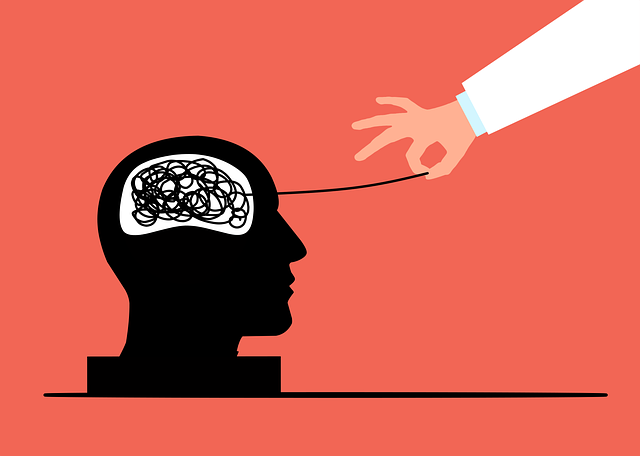
Cultivating longevity in a relationship requires intentional practices and commitment from both partners. Couples Therapy Gilbert offers valuable insights into strengthening bonds over time. Research indicates that long-term relationships thrive on open communication, mutual respect, and shared values. For instance, a study by the Center for Relationship Science found that couples who engage in frequent, positive conversations about their feelings and experiences report higher satisfaction and stability.
One effective strategy is regular check-ins where partners can discuss both everyday concerns and profound aspirations. These conversations should be free from judgment, encouraging each individual to express their thoughts and emotions honestly. Additionally, practicing gratitude within the partnership fosters a sense of appreciation that strengthens the emotional connection. A simple “thank you” for a partner’s support or a thoughtful gesture can go a long way in reinforcing the bond.
Couples Therapy Gilbert emphasizes the importance of resolving conflicts constructively. Rather than avoiding disagreements, couples should learn to navigate them healthily. This involves active listening, empathy, and compromise. For example, when a disagreement arises, taking a break to calm down and then returning to discuss the issue rationally can prevent escalations. By embracing these practices, couples can maintain a thriving partnership that endures through life’s challenges and changes.
By exploring the dynamics of healthy relationships, understanding communication as a cornerstone of Couples Therapy Gilbert, and implementing strategies to build trust and intimacy, individuals can significantly enhance their partnerships. Effective conflict resolution techniques, highlighted in this article, empower couples to navigate disagreements constructively, fostering longevity and a thriving partnership. These insights offer practical tools for cultivating meaningful connections, ensuring that relationships remain robust and fulfilling over time.