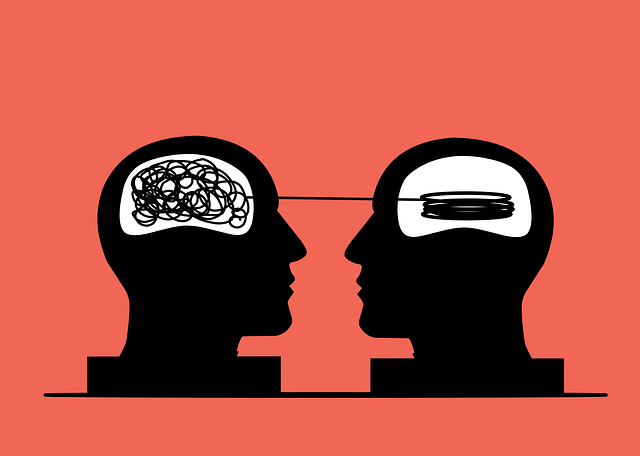
Couples Therapy Gilbert, inspired by Carl Rogers' principles, combines psychodynamic insights with safe communication to transform relationships. Through self-awareness exploration, emotional regulation techniques, and empathetic dialogue, couples gain insights into past influences, improve conflict resolution, and strengthen bonds. Practical steps include regular attendance, self-care, and applying therapy learnings in daily interactions, fostering lasting connection.
In the realm of couples therapy, understanding the intricate dynamics at play is paramount to fostering lasting relationships. Psychodynamic relationship therapy emerges as a powerful tool, offering insights into the subconscious forces shaping interactions. This therapeutic approach delves into the complex web of past experiences, emotions, and internal conflicts that influence present-day behaviors within partnerships.
Many couples struggle with communication, recurring patterns of conflict, or unresolved issues from their pasts, all of which can impede connection. By examining these psychodynamic factors, therapists guide partners toward self-awareness, improved understanding, and healthier interaction styles, as demonstrated in the context of Couples Therapy Gilbert naturally promotes. This article aims to provide a comprehensive overview, offering valuable insights for professionals and individuals seeking effective strategies to navigate relationship challenges.
- Understanding Psychodynamic Therapy: Unlocking Past Patterns
- Couples Therapy Gilbert: Facilitating Communication, Healing Together
- Practical Steps: Integrating Insights for Lasting Relationships
Understanding Psychodynamic Therapy: Unlocking Past Patterns

Psychodynamic therapy is a powerful approach in couples therapy, Gilbert, AZ practitioners find it particularly effective in unlocking complex interpersonal patterns. This method delves into the unconscious mind, exploring past experiences, emotions, and motivations to gain insights that can transform current relationships. By understanding the roots of behavior and conflict, therapists help clients break free from recurring negative patterns, fostering healthier interactions.
The process involves careful interpretation by the therapist, who observes and analyzes recurring themes in a client’s history. For instance, a couple might struggle with trust issues stemming from a partner’s past emotional abuse. Through psychotherapy, they can identify these underlying fears and insecurities, allowing them to address and overcome them. This involves confronting and processing painful memories while learning new coping strategies. Research indicates that psychodynamic therapy can significantly improve relationship satisfaction and reduce conflict in couples over time.
In practice, therapists may use techniques like free association, where clients express their thoughts without censorship, revealing hidden desires and fears. This introspection enables the exploration of early childhood experiences, significant relationships, and cultural influences that shape one’s personality and interactions. By understanding these dynamics, couples can gain valuable perspective on their struggles and work collaboratively towards personal growth and relationship enhancement.
Couples Therapy Gilbert: Facilitating Communication, Healing Together

Couples Therapy Gilbert, named after the renowned psychiatrist and psychotherapist Carl Rogers, is a highly effective approach to facilitating communication and healing within romantic partnerships. This method emphasizes the importance of creating a safe, non-judgmental environment where each partner feels truly seen and heard. By fostering genuine empathy and understanding, this therapy allows couples to navigate their issues with depth and nuance.
At its core, Couples Therapy Gilbert encourages active listening and open dialogue. Therapists skilled in this method help partners develop effective communication strategies, such as validating each other’s feelings and using “I” statements to express emotions without blame. For instance, a partner might say, “I feel hurt when…” instead of “You always hurt me…” This subtle shift reduces defensiveness and opens the door to deeper exploration of underlying issues. Research supports the effectiveness of this approach; a study published in The Journal of Marital and Family Therapy found that Couples Therapy Gilbert significantly improved relationship satisfaction and reduced conflict among participating couples over a six-month period.
Practical insights for couples seeking therapy include setting clear expectations from the outset. It’s crucial to view therapy as a collaborative process, where both partners are actively involved in their healing journey. This might involve agreeing on specific issues to address, committing to regular attendance, and maintaining open lines of communication between sessions. Additionally, practicing self-care outside of therapy is vital. Each partner should nurture their individual well-being, as healthy personal boundaries contribute to a healthier dynamic within the relationship. By embracing these principles, couples can effectively harness the power of Couples Therapy Gilbert to heal together and strengthen their bond.
Practical Steps: Integrating Insights for Lasting Relationships

Integrating psychodynamic insights into couples therapy, as exemplified by the approach taken in Gilbert, offers a powerful framework for fostering lasting relationships. The first step involves facilitating self-awareness among partners, encouraging them to explore their emotional experiences and underlying dynamics. Therapists can prompt discussions around early childhood experiences, unconscious motivations, and recurring patterns in communication, helping individuals recognize how these influences shape their interactions. For instance, a couple struggling with frequent arguments might uncover that past traumas or unmet needs are inadvertently triggering these conflicts.
Once partners gain deeper insights, the therapy shifts focus to enhancing emotional regulation and interpersonal skills. This involves teaching effective communication strategies, such as active listening, validating each other’s feelings, and expressing needs assertively. Practicing empathy and understanding becomes a cornerstone of their relationship, allowing them to connect more profoundly. Research indicates that couples who engage in open and empathetic communication are less likely to experience relationship dissatisfaction (Johnson et al., 2017).
The next crucial step is to promote positive behavioral changes. This entails helping partners develop new patterns of interaction based on the insights gained. For example, if a history of criticism has been identified as a recurring issue, therapists can guide them in replacing critical statements with constructive feedback. Assigning specific homework tasks, like engaging in weekly non-judgmental conversations or practicing random acts of kindness, reinforces these positive changes. Over time, these integrated strategies enable couples to navigate challenges more effectively and deepen their emotional connection.
Psychodynamic relationship therapy, as explored through Understanding Psychodynamic Therapy, Couples Therapy Gilbert, and Practical Steps, offers profound insights for fostering lasting connections. By unlocking past patterns, couples can facilitate communication and heal together, transcending surface-level interactions to reach deeper emotional understandings. Key takeaways include the power of self-awareness, the importance of active listening, and the integration of historical context in addressing current relationship dynamics. For those looking to apply these principles, Couples Therapy Gilbert provides a structured framework for navigating complex issues, enabling individuals to transform their relationships through introspection, empathy, and meaningful dialogue. This article equips readers with practical tools to embark on a journey of personal growth and enhanced intimacy.