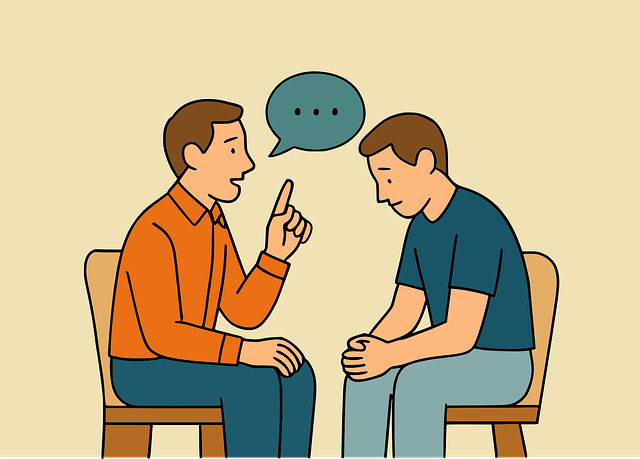
Couples Therapy Gilbert offers a comprehensive coaching program for building resilient marriages. This approach focuses on healthy communication, conflict resolution, and emotional intimacy through techniques like active listening, empathy, CBT, and "I" statements. Coaches help partners identify strengths, address underlying issues, and create safe spaces for sharing. Regular sessions ensure ongoing support, leading to improved relationship satisfaction and well-being. The program emphasizes continuous growth, connection, and proactive maintenance, culminating in stronger bonds and deeper intimacy.
In today’s fast-paced world, maintaining a strong marital bond can be a challenging yet rewarding endeavor. Marriage resilience coaching emerges as a powerful tool to help couples navigate the complexities of life together. As relationships face increasing pressures from work demands, financial stress, and external factors, the need for effective support has never been more evident. Couples Therapy Gilbert offers a tailored approach to strengthen connections, foster open communication, and enhance emotional intimacy. This article delves into the transformative power of coaching, exploring its role in building resilience and providing practical strategies for couples seeking to deepen their bond.
- Understanding Marriage Resilience: Building a Strong Foundation
- Strategies for Couples Therapy Gilbert: Repairing and Enhancing Connections
- Nurturing Lasting Love: Coaching for Continuous Growth Together
Understanding Marriage Resilience: Building a Strong Foundation

Marriage resilience coaching is a specialized approach designed to help couples build enduring relationships. Understanding marriage resilience involves recognizing the dynamics of healthy communication, conflict resolution, and emotional intimacy. Couples Therapy Gilbert emphasizes these foundational elements as key components in fostering marital strength. Research shows that couples who invest time and effort into developing these skills are better equipped to navigate challenges and maintain a fulfilling partnership.
The process begins by identifying unique strengths within each partner and teaching them how to leverage these assets for mutual support. Through practical exercises and guided discussions, coaches help partners improve active listening, empathy, and assertive communication. For instance, learning to express needs and desires without accusatory language can significantly reduce conflict and enhance connection. Couples Therapy Gilbert often incorporates strategies from cognitive-behavioral therapy (CBT) to challenge negative thought patterns that may be undermining the relationship.
Building a strong foundation also requires addressing underlying issues such as trust deficits, lack of emotional availability, or unmet expectations. Coaches guide partners through exercises that encourage vulnerability and openness, fostering an environment where deep conversations can occur naturally. By creating safe spaces for sharing and understanding, couples therapy empowers partners to make conscious decisions about their relationship, ensuring resilience against external stressors and internal challenges alike. Regular practice of these skills is essential; regular sessions with a certified coach or therapist can provide the ongoing support needed to maintain progress and strengthen the bond between partners over time.
Strategies for Couples Therapy Gilbert: Repairing and Enhancing Connections

Marriage resilience coaching, particularly through the lens of Couples Therapy Gilbert, offers a powerful approach to repairing and enhancing connections between partners. At its core, this therapeutic method recognizes that strong relationships are built on secure attachment, effective communication, and conflict resolution skills. By employing evidence-based strategies tailored to each couple’s unique dynamics, therapists in Gilbert can help partners deepen their understanding of one another, rebuild trust, and strengthen their emotional bond.
One effective strategy within Couples Therapy Gilbert is the promotion of secure attachment styles. Research indicates that individuals with secure attachment tend to have healthier relationships, as they are more comfortable with intimacy and better able to manage vulnerability. Therapists guide couples in identifying their current attachment patterns and work collaboratively to foster a more secure attachment style, fostering an environment of safety and warmth. For instance, through guided practice, partners can learn to respond sensitively to each other’s needs, creating a cycle of positive reinforcement that strengthens their connection.
Additionally, Couples Therapy Gilbert emphasizes the importance of active listening and open communication. Many relationship challenges stem from miscommunication or a lack thereof. Therapists teach couples effective communication techniques, such as using “I” statements, validating feelings, and practicing empathy. This involves learning to hear not just what each partner is saying but also understanding their underlying emotions and perspectives. By creating a safe space for honest and respectful dialogue, couples can navigate differences more constructively, fostering deeper intimacy and mutual understanding. Data from studies on couples therapy consistently show significant improvements in relationship satisfaction and overall well-being among participants who engage in such therapeutic interventions.
Nurturing Lasting Love: Coaching for Continuous Growth Together

Nurturing Lasting Love: Coaching for Continuous Growth Together is a transformative approach that helps couples build resilience and strengthen their bonds over time. At its core, this method acknowledges that love alone is not enough to sustain a relationship; growth and connection must be cultivated regularly. Marriage resilience coaching, as offered by expert practitioners in Couples Therapy Gilbert, provides tools and strategies tailored to each couple’s unique needs, fostering deeper understanding, effective communication, and mutual support.
The process begins with assessing the current state of the relationship, identifying areas of strength and weakness. Through open dialogue and reflective exercises, partners gain insights into their individual and collective patterns of interaction. Coaches guide them in exploring unmet needs, addressing underlying conflicts, and developing new ways of connecting. For instance, a common challenge is the decline of intimacy over time; coaching can help couples rediscover physical and emotional intimacy by reintroducing playfulness, setting aside dedicated quality time, and learning to appreciate each other’s unique qualities. Data from studies on married couples indicates that proactive relationship maintenance, such as regularly expressing gratitude and engaging in positive interactions, significantly enhances overall relationship satisfaction.
Practical advice includes incorporating regular check-ins, where partners share their experiences and reflect on agreed-upon actions. Coaches encourage the use of “I” statements to express feelings without blame, fostering a safe space for vulnerability. Additionally, learning effective conflict resolution skills is vital; this involves mastering active listening, validating each other’s emotions, and finding mutually beneficial solutions. Nurturing lasting love requires consistent effort and commitment from both partners, but the rewards are immense—stronger bonds, improved communication, and a deeper sense of connection that transcends the ordinary.
Marriage resilience coaching, as explored through Understanding Marriage Resilience, Strategies for Couples Therapy Gilbert, and Nurturing Lasting Love, offers a powerful framework for couples seeking to fortify their relationships. Key takeaways include the importance of building a strong emotional foundation, repairing and enhancing connections through effective communication and empathy, and fostering continuous growth by nurturing ongoing love and appreciation. Couples Therapy Gilbert methodologies prove invaluable in guiding partners toward healing, understanding, and profound personal development. By implementing these strategies, individuals can transform their marriages, achieving greater resilience, intimacy, and lasting happiness.