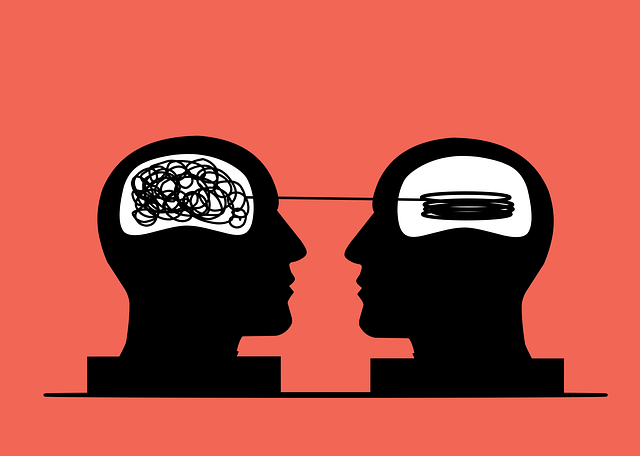
Couples Therapy Gilbert emphasizes emotional intimacy as a cornerstone of healthy relationships. Through open communication, active listening, empathy, and tailored strategies, therapists help partners share vulnerabilities, build understanding, and strengthen bonds. Structured techniques foster secure attachment styles, improve relationship satisfaction, and enhance resilience in navigating challenges, ultimately leading to deeper emotional connections.
Emotional intimacy is a cornerstone of healthy relationships, yet many couples struggle to cultivate and maintain it. In today’s fast-paced world, the demands of work, family, and social life can leave little room for deep emotional connection. This often manifests as communication breakdowns, fostering feelings of isolation and dissatisfaction within partnerships. Couples Therapy Gilbert offers a proven solution, providing a safe and supportive space for partners to reconnect, heal, and rebuild their emotional intimacy. By employing evidence-based strategies, skilled therapists guide couples through complex issues, fostering better understanding, empathy, and genuine closeness.
- Understanding Emotional Intimacy: Unlocking Communication in Couples Therapy Gilbert
- Identifying Barriers: Overcoming Challenges in Building Trust
- Strategies for Connection: Fostering Open Dialogue and Empathy
- Cultivating Love and Support: Transforming Relationships Through Therapy
Understanding Emotional Intimacy: Unlocking Communication in Couples Therapy Gilbert

Emotional intimacy is a cornerstone of healthy relationships, particularly in Couples Therapy Gilbert. It involves a deep sense of connection, vulnerability, and understanding between partners. In the context of therapy, unlocking communication around emotional intimacy can be transformative. This process often requires couples to explore their feelings, express them openly, and develop skills to listen actively and empathetically.
In practice, this means going beyond surface-level conversations. Effective Couples Therapy Gilbert encourages partners to share their core values, fears, dreams, and past experiences that shape their emotional responses. For instance, one partner might reveal a childhood fear of abandonment, while the other shares their struggle with setting boundaries. This openness fosters empathy and allows each individual to see their partner through a new lens, fostering deeper bonds. Research indicates that improved emotional intimacy is strongly correlated with increased relationship satisfaction and stability among couples undergoing therapy.
Therapeutic techniques like active listening, reflecting feelings, and using “I” statements facilitate this communication revolution. By creating a safe space for expression, therapists enable partners to navigate complex emotions constructively. For example, instead of accusatory statements like “You always forget our anniversary,” a partner might express their feeling of disappointment with “I feel hurt when our special days pass without recognition.” This approach encourages accountability and understanding, paving the way for meaningful reconciliation. Through dedicated practice, couples can enhance their emotional intimacy, leading to stronger, more fulfilling relationships in the long term.
Identifying Barriers: Overcoming Challenges in Building Trust

Building emotional intimacy is a cornerstone of healthy relationships, yet many couples struggle to overcome barriers that hinder trust and vulnerability. In Couples Therapy Gilbert, therapists often encounter challenges related to past experiences, communication styles, and unmet needs that prevent partners from fostering deep connections. Understanding these obstacles is crucial for facilitating meaningful change.
One significant barrier is the fear of opening up due to past traumas or hurtful relationships. Many individuals carry emotional baggage that makes them reluctant to share their thoughts and feelings. For instance, a partner who experienced emotional abuse in a previous relationship may struggle to trust their current spouse’s intentions. Therapists can help clients process these fears by creating a safe, non-judgmental space and encouraging gradual exposure to vulnerability. This process allows individuals to heal from past wounds and build new patterns of trust.
Communication plays a pivotal role in overcoming barriers to emotional intimacy. Misunderstandings and unmet needs often arise when partners fail to express themselves clearly or listen attentively. Data suggests that effective communication is a strong predictor of relationship satisfaction. In Couples Therapy Gilbert, therapists teach couples active listening skills, empathy-building techniques, and conflict resolution strategies tailored to their unique dynamics. By mastering these tools, partners can create an environment where both feel heard, understood, and valued, fostering deeper intimacy over time.
Strategies for Connection: Fostering Open Dialogue and Empathy

Emotional intimacy therapy, with its focus on fostering deep connections and understanding between partners, plays a pivotal role in couples’ lives. One of the cornerstones of this process is the cultivation of open dialogue and empathy—essential strategies for connection in Couples Therapy Gilbert. These techniques empower individuals to explore their emotions, communicate authentically, and build a strong bond, ultimately enhancing their relationship’s quality.
Open dialogue involves creating a safe and non-judgmental space where both partners feel free to express their thoughts and feelings. Therapists skilled in this approach encourage active listening, prompting participants to elaborate on their experiences and emotions without fear of criticism. For instance, guiding statements like “Tell me more about how you’re feeling” or “Help me understand your perspective” can facilitate deeper conversations. Research indicates that couples who engage in such open dialogues report higher relationship satisfaction and improved conflict resolution skills over time.
Empathy, on the other hand, is a powerful tool for building emotional intimacy. It involves understanding and sharing another person’s feelings. In Couples Therapy Gilbert, therapists teach partners to recognize each other’s emotional cues, validate their emotions, and respond with compassion. For example, a therapist might assist a couple in practicing empathy by role-playing scenarios where one partner expresses distress, encouraging the other to reflect on and convey their understanding. This process strengthens the bond between partners, fostering a profound sense of closeness and support.
To implement these strategies effectively, couples should aim for regular check-ins during which they actively listen and empathize with each other. Keeping a journal or using specific communication techniques, such as “I” statements (e.g., “I feel hurt when…”), can prepare them for these conversations. Additionally, seeking guidance from professionals like those in Couples Therapy Gilbert ensures that the process is structured, supportive, and tailored to their unique needs.
Cultivating Love and Support: Transforming Relationships Through Therapy

Emotional intimacy is a cornerstone of healthy relationships, fostering deep connections and mutual support. Cultivating love and support within couples goes beyond surface-level affection; it involves navigating complexities, resolving conflicts, and building resilience together. Emotional intimacy therapy, including specialized practices like Couples Therapy Gilbert, offers a transformative path for partners seeking to strengthen their bond.
In the context of Couples Therapy Gilbert, therapists facilitate a safe space where individuals can explore their emotional landscapes, understand their partner’s perspective, and develop effective communication strategies. Through structured techniques, such as active listening, emotion-focused dialogue, and conflict resolution skills, couples learn to express needs, listen attentively, and respond empathetically. For instance, a study published in the Journal of Marital and Family Therapy found that couples participating in emotionally focused therapy reported significant improvements in relationship satisfaction and emotional intimacy.
One of the key benefits of cultivating love and support through therapy is the development of secure attachment styles. Many relationships are influenced by early attachment experiences, which can impact current emotional responses and interaction patterns. With guidance from a trained therapist, partners can identify and challenge unhealthy attachment behaviors, fostering more secure and responsive interactions. This process enables individuals to feel safer expressing vulnerability, offering praise, and providing comfort, thereby enriching the overall emotional intimacy in their relationship.
Couples Therapy Gilbert equips partners with practical tools for everyday application. By integrating therapeutic insights into daily routines, couples can maintain a strong emotional connection even amidst life’s challenges. Encouraging regular check-ins, meaningful conversations, and acts of kindness, therapists empower partners to nurture their bond continuously. As a result, relationships become more resilient, allowing couples to navigate life transitions, conflicts, and individual growth with enhanced intimacy and mutual support.
Emotional intimacy therapy, as explored through Couples Therapy Gilbert, offers profound insights into enhancing relationships. Understanding barriers to emotional connection and learning effective communication strategies are pivotal steps towards fostering trust and empathy. By cultivating open dialogue, couples can transform their dynamics, creating an environment of love and support. This article equips readers with valuable tools to navigate relationship challenges, emphasizing the transformative power of therapy in strengthening bonds and nurturing intimacy.