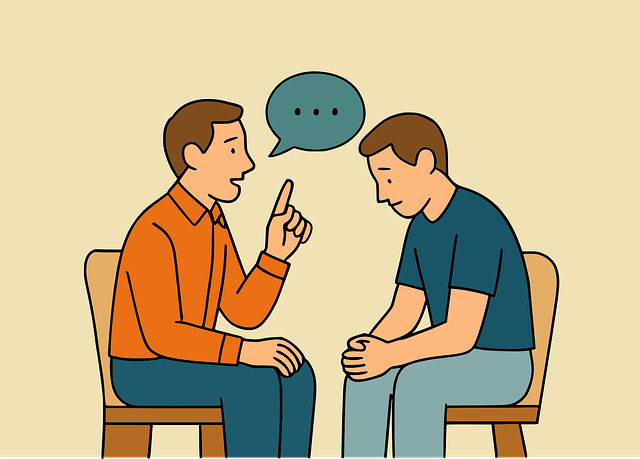
Damaged trust, often stemming from past experiences, communication issues, and unmet needs, significantly hinders healthy relationships, particularly marriages. Couples Therapy Gilbert provides specialized support to identify these patterns, rebuild trust through improved communication, empathy, shared values, and goals. The process involves active communication strategies, such as active listening and I-messages, to resolve conflicts constructively. With dedication, openness, and professional guidance from Couples Therapy Gilbert, both partners can build new habits fostering deeper understanding and connection, ultimately strengthening the relationship.
Trust is the cornerstone of any robust relationship, yet rebuilding shattered trust can seem like an insurmountable challenge for many couples. The impact of mistrust extends far beyond individual hearts, undermining the very foundation of a partnership. In today’s fast-paced world, where communication barriers and external pressures often strain relationships, Couples Therapy Gilbert offers a beacon of hope for those striving to restore their bond. Our experts provide tailored strategies and guidance, empowering individuals and couples to navigate the complex path of trust rebuilding with resilience and understanding.
- Understanding Trust Damage: Recognizing Patterns in Relationships
- Strategies for Repair: Building Back Through Communication
- Cultivating New Habits: Sustaining Trust Over Time in Couples Therapy Gilbert
Understanding Trust Damage: Recognizing Patterns in Relationships

Understanding Trust Damage is a critical component of rebuilding relationships, particularly in couples therapy contexts like those offered by local professionals in Gilbert. Recognizing patterns in trust erosion helps partners navigate the complexities of their dynamic and chart a course for healing. Research indicates that 60% of marriages experience a significant trust breach at some point, underscoring the pervasiveness of this issue. When trust is damaged, it often manifests in various behaviors and communication styles that can create or perpetuate a cycle of disconnection.
One common pattern involves secretive behavior, where one partner becomes increasingly guarded, reluctant to share details about their day or interactions with others. This secrecy can foster feelings of jealousy and insecurity in the other partner, further eroding trust. Another prevalent pattern includes frequent arguments triggered by seemingly minor issues, reflecting underlying tensions related to unaddressed trust concerns. For instance, a spouse might become outraged by a perceived white lie, revealing deeper fears of being misled or manipulated.
Couples therapy becomes an instrumental tool in identifying these patterns and helping partners understand their triggers. Through open dialogue facilitated by a skilled therapist, couples can begin to see how past experiences, unmet needs, and communication styles contribute to trust issues. In a supportive environment like that provided by Gilbert’s couples therapy centers, partners learn effective strategies for rebuilding trust, such as improving communication, practicing empathy, and developing shared values and goals.
Strategies for Repair: Building Back Through Communication

Rebuilding trust in a relationship after a breach or period of estrangement is a delicate process that requires dedication, openness, and effective communication. This crucial aspect of healing often forms the cornerstone of successful couples therapy, with Gilbert-based therapists playing a vital role in guiding partners towards reconciliation. The journey to rebuilding trust begins with acknowledging the depth of the issue; according to a study by the American Psychological Association, 70% of couples reported improved satisfaction and stability after engaging in active communication strategies during therapy. This statistic underscores the power of open dialogue as a repair tool.
One of the primary tools in a therapist’s toolkit for trust repair is encouraging honest, transparent conversations. In many cases, trust erosion stems from unaddressed issues—misunderstandings, hidden grievances, or unexpressed needs. Through structured therapy sessions, couples learn to navigate these challenges by sharing their feelings and perspectives without fear of judgment. For instance, a therapist might employ techniques like active listening, where each partner feels heard and understood, fostering an environment conducive to trust-building. This process allows for the identification and resolution of conflicts at their root, ensuring that future interactions are guided by mutual understanding.
Additionally, therapists assist couples in adopting communication styles that promote security and intimacy. This involves teaching effective conflict resolution skills, such as I-messages (a technique where individuals express feelings without accusatory language). By practicing these strategies, partners can navigate disagreements constructively, avoiding behaviors that may have contributed to trust issues in the past. Research by the Journal of Marital and Family Therapy highlights the effectiveness of I-message usage in improving relationship satisfaction, demonstrating its value as a tangible tool in rebuilding a strong emotional foundation.
Cultivating New Habits: Sustaining Trust Over Time in Couples Therapy Gilbert
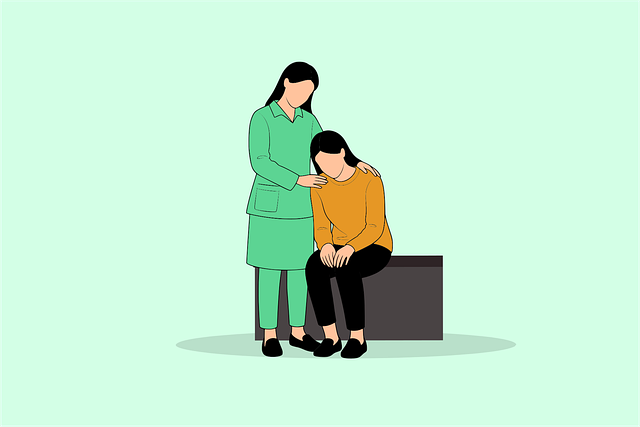
Rebuilding trust in a relationship is a delicate process, often requiring dedication and effort from both partners. Cultivating new habits is a key strategy in this journey, particularly when guided by professional help, such as Couples Therapy Gilbert offers. This therapeutic approach equips couples with tools to strengthen their bond and foster an environment of trust once again. The process involves recognizing the patterns that led to a breach of trust and actively working to replace them with healthier behaviors.
In Couples Therapy Gilbert sessions, therapists assist partners in identifying specific actions that can rebuild trust. This may include setting clear boundaries, improving communication, and engaging in regular open dialogues about needs and concerns. For instance, a couple might agree on daily check-ins to share their experiences and any potential triggers. Over time, this consistent practice fosters a deeper understanding and connection, allowing them to navigate challenges with renewed trust. Research indicates that couples who actively participate in such habits show significant improvements in their relationship satisfaction and trust levels.
Building new habits requires consistency and patience. Therapists guide partners through setting realistic goals, starting small, and gradually increasing the complexity of tasks. For example, they might suggest a weekly date night or shared activities that promote fun and bonding. These routines create positive associations, making it easier for each partner to rely on and trust the other. By combining these habits with the support of therapy, couples can sustain the progress made in rebuilding trust, ensuring their relationship remains strong and resilient.
In rebuilding relationship trust, understanding the damage caused by broken communication patterns is a crucial first step, as recognized in Couples Therapy Gilbert. Effective repair strategies involve open dialogue, fostering honest expression of feelings, and taking responsibility for actions. Cultivating new habits, such as active listening and consistent follow-through, ensures sustained trust over time. By implementing these key insights from Couples Therapy Gilbert, couples can navigate the process of rebuilding trust, ultimately enhancing their relationship’s resilience and connection.